
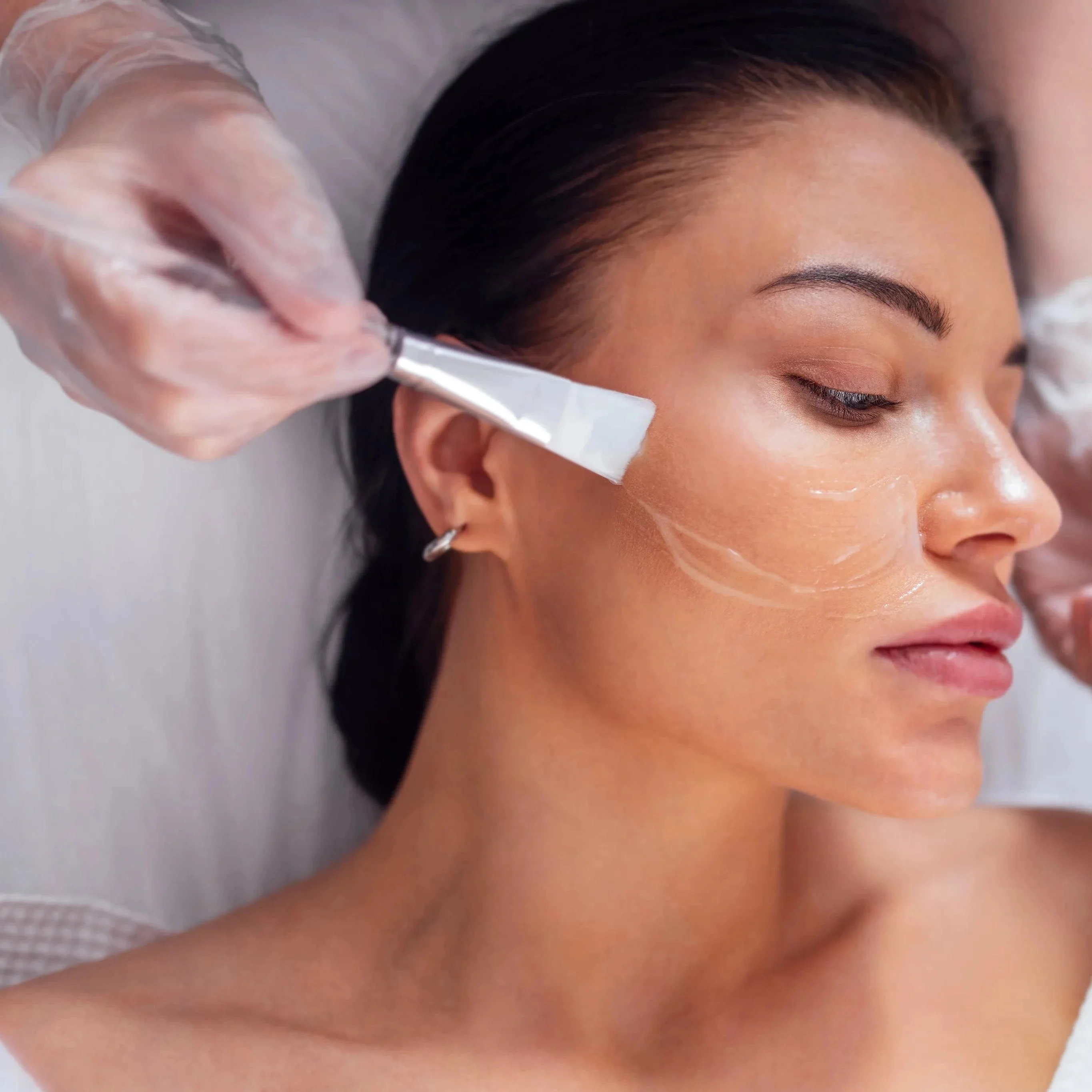
Chemical peel aftercare: a practical 7-day guide
Chemical peel aftercare
How should you care for your skin after a chemical peel?
After a professional chemical peel, follow the practitioner’s written instructions, cleanse gently, use the recommended moisturiser, protect the skin from direct sun and do not scratch or pull at flaking skin. Pause scrubs, acids, retinoids and unfamiliar active products until the practitioner says they can be restarted. Recovery depends on the peel’s depth, so generic timelines should not replace treatment-specific advice. Contact the practitioner if burning, itching or swelling is stronger than expected or is getting worse, and seek prompt medical care for a severe or urgent reaction.
The safest chemical peel aftercare is deliberately simple: follow the practitioner’s written instructions, cleanse gently, keep the skin comfortable with the recommended moisturiser, protect it from the sun and do not pull at flaking skin. The strength and depth of a peel change the recovery plan, so a generic online routine should never replace the instructions given after your treatment.
This guide is for people who have had a professional facial peel and want a clear first-week checklist. It does not diagnose skin reactions and it is not a substitute for medical advice.
Before you follow a day-by-day plan
Ask which type of peel you received and whether it was intended to be superficial, medium-depth or deeper. Recovery varies substantially. The American Academy of Dermatology notes that a light peel may heal over several days, while medium and deep peels require more intensive care and professional follow-up. If your practitioner’s plan differs from the outline below, use their plan.
Day 0: protect the treated skin
- Leave any products applied by your practitioner in place for the time they specified.
- Do not add an exfoliant, scrub, retinoid, acid, fragranced product or an unfamiliar “active” product.
- Avoid rubbing, scratching, hot water and unnecessary touching.
- If you were given a specific cleanser, cream, ointment or sun-avoidance instruction, start it exactly as directed.
Mild warmth, tightness or redness may be expected after some superficial peels, but the expected reaction depends on the product and strength used. Ask the salon what is normal for your treatment rather than comparing your skin with photographs online.
Days 1–3: keep the routine gentle
A short routine is usually easier to tolerate than a shelf full of products:
| Step | Practical approach | What to avoid |
|---|---|---|
| Cleansing | Use lukewarm water and the gentle cleanser your practitioner approved. Pat dry with a clean towel. | Scrubs, cleansing brushes, abrasive cloths and very hot water. |
| Moisturising | Apply the recommended plain moisturiser or ointment as directed so the skin does not become excessively dry. | Fragrance, essential oils and introducing a new complex formula during recovery. |
| Sun protection | Limit direct exposure and use the sunscreen recommended for your skin once your practitioner says it is appropriate. | Tanning beds, deliberate tanning and prolonged direct sun. |
| Make-up | Wait for the point specified in your aftercare instructions. | Applying make-up over skin that is raw, blistered or not yet healed. |
The American Academy of Dermatology specifically advises using moisturiser as directed, avoiding scratching and indoor tanning, and applying daily sunscreen after the skin heals. It also warns that picking at crusting skin or applying make-up before healing can increase the risk of infection or scarring.
Days 4–7: let flaking resolve naturally
Some superficial peels produce visible scaling during this part of the week; others produce little or none. Do not try to speed up the process. Pulling skin, using a scrub or adding a strong exfoliating product can damage skin that is still recovering.
- Continue the approved gentle cleanser and moisturiser.
- Keep avoiding direct sun and tanning.
- Change pillowcases and face towels regularly and keep hands away from the face.
- Restart acids, retinoids, vitamin C or other potent actives only when the practitioner who performed the peel says to do so.
- Ask before combining recovery with waxing, depilation, another peel, microneedling, laser treatment or an intensive facial.
When to contact the practitioner
Contact the practitioner who performed your peel if the reaction is stronger than the aftercare plan described, if you are uncertain about a product, or if symptoms are getting worse rather than settling. The American Academy of Dermatology advises contacting a dermatologist if treated skin burns, itches or swells.
Seek prompt medical help for a severe or rapidly worsening reaction, breathing difficulty, marked facial swelling, signs of infection, eye involvement or another symptom that feels urgent. Do not wait for a routine salon reply in an emergency.
Five questions to ask before leaving the salon
- What peel and strength were used, and what reaction should I expect?
- When may I cleanse, moisturise, use sunscreen and wear make-up?
- Which products should I pause, and when can I restart each one?
- Which symptoms should make me contact the salon or a medical professional?
- When is it safe to book another facial or peel?
Write the answers down or ask for them by email. Product names and exact restart dates are more useful than a vague instruction to “keep the routine gentle”.
Choosing a peel with recovery in mind
Before booking, decide how much visible redness or flaking you can accommodate and whether you have an important event, flight, outdoor activity or another skin procedure planned. A consultation should cover your goal, current routine, medication, allergies, recent sun exposure, history of cold sores and previous reactions. Stronger is not automatically better; the useful option is the one that fits your skin, goal and acceptable recovery time.
At Luminexia, you can compare the peel treatment category, read about the basic facial chemical peel, or start with a skincare consultation if you are unsure which intensity is appropriate.
Frequently asked questions about chemical peel aftercare
Can I wash my face after a chemical peel?
Use the timing and cleanser specified in your aftercare instructions. When cleansing is allowed, use lukewarm water, avoid rubbing and pat the skin dry with a clean towel. Do not assume that another person’s post-peel routine applies to the product and strength used for you.
Is flaking normal after a chemical peel?
Some superficial peels cause visible flaking and others cause very little. The expected reaction depends on the peel, its strength and your skin. Let any scaling release naturally; do not pull at it or try to speed it up with a scrub.
When can I restart retinol, acids or vitamin C?
There is no universal restart date. Keep retinoids, exfoliating acids, strong vitamin C products and other potentially irritating actives paused until the practitioner who performed the peel says your skin is ready.
When can I wear make-up after a peel?
Follow the timing in your individual aftercare plan. Do not apply make-up over skin that is raw, blistered or not yet healed, and ask the practitioner if the instruction you received is unclear.
When should I contact the salon or seek medical help?
Contact the practitioner if burning, itching or swelling is stronger than expected, is getting worse, or differs from the reaction they described. Seek prompt medical help for a severe or rapidly worsening reaction, breathing difficulty, marked facial swelling, eye involvement or another urgent symptom.
Sources and scope
This article combines conservative salon guidance with public aftercare information from the American Academy of Dermatology’s chemical peel FAQ. It was written for general education. Your own practitioner’s aftercare instructions take priority because they know the product, concentration, application time and condition of your skin.
Related treatments
If you want to move from the guide to a concrete choice, start with these treatment categories and services.